When it comes to SEO, page titles and meta descriptions might seem like small details, but they play a critical role in your website’s search rankings and click-through rates. A well-optimised title grabs attention in search results, while a compelling meta description encourages users to click through to your site. These elements, though often overlooked, act as the first point of contact between your content and potential visitors. In this guide, we’ll dive into best practices for crafting titles and descriptions that not only rank well but also drive engagement.
What Are Page Titles?
Page titles, also known as title tags, are HTML elements that specify the title of a webpage. These titles are displayed in three key places: search engine results pages (SERPs), browser tabs, and social media previews when a page is shared. A well-crafted page title helps search engines understand what the page is about and plays a critical role in determining your ranking for relevant queries.
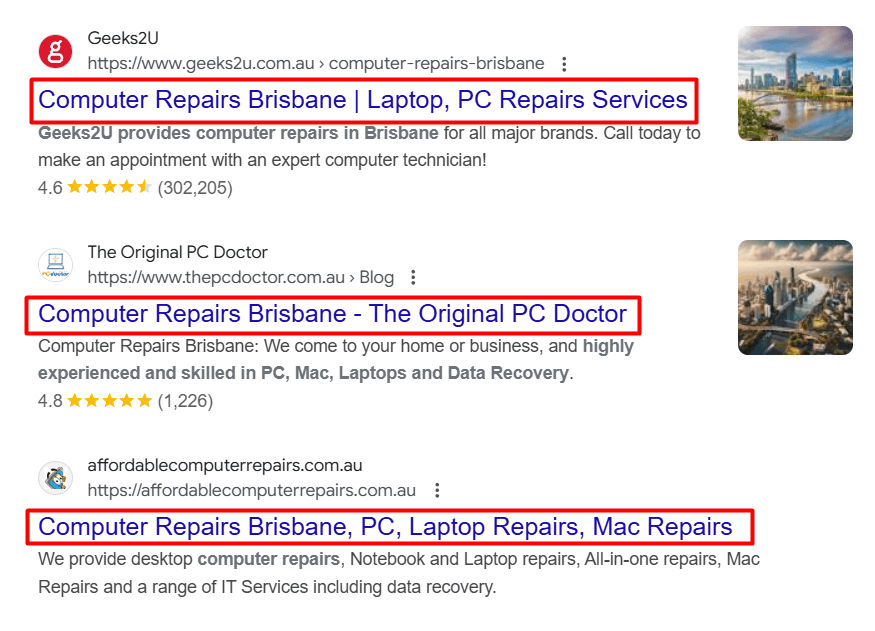
Best Practices for Writing Effective Page Titles
Page titles are one of the most important on-page SEO elements, serving as the first thing both users and search engines see when they encounter your content. A well-crafted page title can boost both rankings and click-through rates (CTR). Here’s how to create highly optimised titles:
1. Keep Titles Concise and Focused
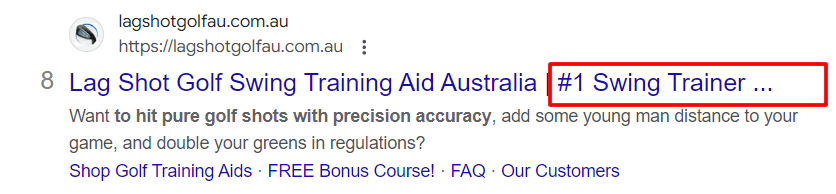
Search engines only display around 50-60 characters of a page title. Keeping your title concise ensures that it won’t be cut off in search results. For example, a title like “A Comprehensive Guide on How to Write Effective Page Titles and Meta Descriptions for SEO in 2024” could be shortened to “How to Write Effective Page Titles for SEO”.
Tip: Use tools like Yoast SEO to preview your title length before publishing.
See here what happens when your Page Title gets cut-off for being too long:
2. Prioritise Primary Keywords
Placing your primary keyword near the beginning of the title signals relevance to both search engines and users. Search engines give more weight to the first words in a title, interpreting them as the core focus of the content. Since we read from left to right, users also tend to scan the beginning of titles, so leading with the main keyword aligns with their natural reading patterns, increasing the chances they’ll click through.
Example of front-loaded keywords in a Page Title:
- Less Effective: “Everything You Need to Know About Baking Supplies and Tools for Beginners”
- Optimised: “Baking Supplies: Essential Tools for Beginner Bakers”
In the optimised version, the “Baking Supplies” keyword appears first, making it immediately clear what the page covers.
Tip: Use tools like Google Keyword Planner to research what your audience is searching for and include the top keywords. Once you identify them, prioritise them at the start to enhance both search relevance and user engagement.
3. Create Unique Titles for Every Page
Each page on your website should have a unique title to avoid confusing search engines and users. Having the same title on multiple pages can harm your SEO by making it difficult for search engines to determine which page is more relevant, resulting in what’s known as “keyword cannibalisation”.
Here is an example from a lashes extension biz:


These two blogs are years apart, so that may be the reason why they missed it. What they should’ve done instead is just update the 2017 one by adding more content, more images, etc. By preserving the original page URL, this also protects any SEO equity the page has accrued over time, like internal links and backlinks.
Tip: Use a tool like Screaming Frog to audit your site for duplicate titles.
4. Be Descriptive and Specific
A good page title should clearly describe what users will find on the page. Avoid being vague. Titles like “SEO Tips for Success” can be improved to “10 Actionable SEO Tips to Boost Rankings in 2024” to make it more specific and enticing.
Tip: Think of your title like a headline (since, you know, it is one!); it needs to grab attention quickly.
5. Use Power Words
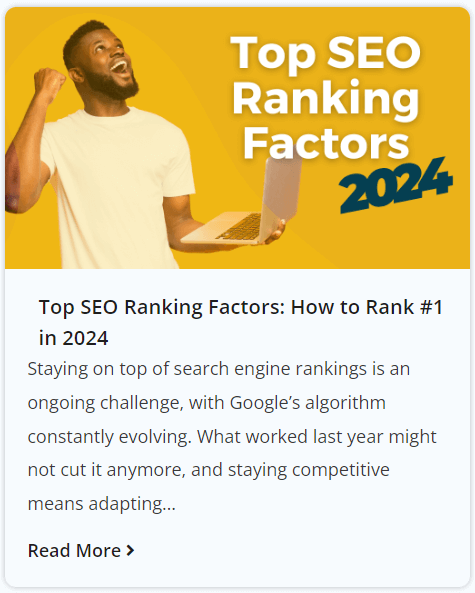
Including “power words” in your titles like “Ultimate,” “Top,” “Essential,” and “Proven” adds urgency or intrigue, and makes them more appealing to users. This can significantly improve your click-through rate (CTR), a known positive ranking signal. When more people click on your title in search results, search engines interpret this as a sign of relevance, which can ultimately help boost your rankings.
Power words work because they create an emotional connection with the user, helping your title stand out among competitors. For instance, a title like “Ultimate Guide to Baking” is more compelling than “Baking Guide” because it implies comprehensive, valuable content.
Examples of Power Words:
- Authority Words: “Ultimate,” “Top,” “Complete,” “Proven,” “Best”
- Encouraging Words: “Simple,” “Easy,” “Essential,” “Beginner-Friendly”
- Urgency Words: “Now,” “Today,” “Don’t Miss,” “Hurry”
- Exclusive Words: “Secret,” “Insider,” “Exclusive,” “Behind-the-Scenes”
Tip: Experiment with power words that resonate with your industry and target audience. For example, a travel blog might use “Ultimate” or “Unmissable” for destination guides, while a health-focused site might use “Proven” or “Effective” for wellness tips.
Here’s one of our blogs as an example:
6. Avoid Keyword Stuffing
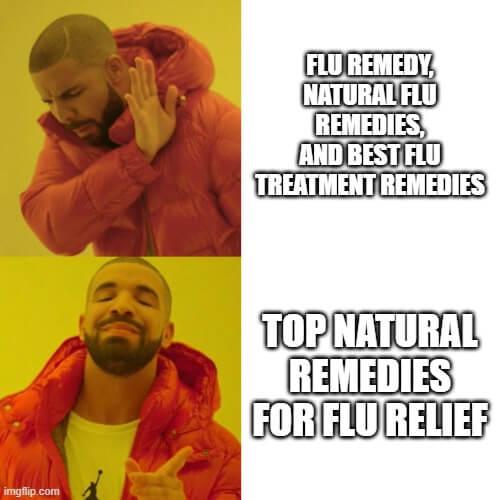
Overloading a title with multiple keywords can make it hard to read and may negatively impact SEO. Instead, choose one or two relevant keywords and integrate them naturally. This approach keeps your title clear and user-friendly.
Example:
Keywords: “Flu Remedy,” “Natural Remedies”
Keyword Stuffed: “Flu Remedy, Natural Flu Remedies, and Best Flu Treatment Remedies”
Optimised: “Top Natural Remedies for Flu Relief”
Tip: Stick to one primary keyword and, if necessary, a secondary keyword, but make sure the title reads naturally.
7. Include Numbers for Lists
Titles that include numbers, such as listicles, tend to attract more clicks. Users are often drawn to numbered lists because they know exactly what to expect. For instance, “10 SEO Tips for Better Rankings in 2024” is more compelling than “SEO Tips for 2024.”
Tip: Odd numbers tend to perform better than even numbers in headlines. According to the Content Marketing Institute, that’s because the brain seems to believe odd numbers more than even numbers. Odd numbers help people digest and recall information more easily.
8. Incorporate Branding When Relevant
Including your brand name in page titles can increase recognition and click-through rates, especially for well-known brands. However, it should feel natural. For example, “Expert SEO Tips | BrandName” is more effective than forcing “BrandName SEO Tips from BrandName Experts” into every title.
Tip: Place your brand name at the end of the title, separated by a dash or vertical bar.
9. Tailor Titles to User Intent
Understanding the intent behind user searches whether they are looking for information or trying to make a purchase is essential for crafting relevant titles. For instance, if users are looking for informational content, a title like “How to Optimise SEO for Beginners” works well. If they are ready to make a purchase, something like “Buy the Best SEO Tools to Improve Your Rankings” would be more effective.
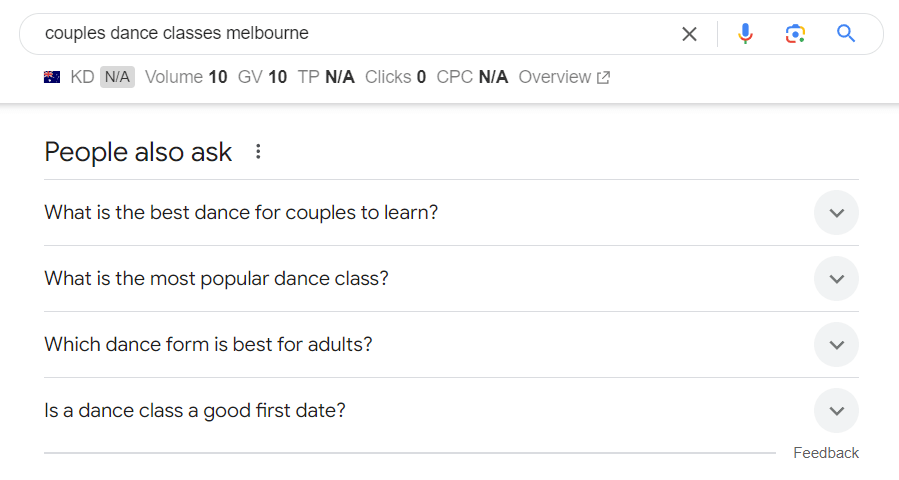
Tip: Use tools like AnswerThePublic or Google’s People Also Ask section to research common questions or phrases users are searching for. Here’s how you can spot the People Also Ask section in the SERPs:
What Are Meta Descriptions?
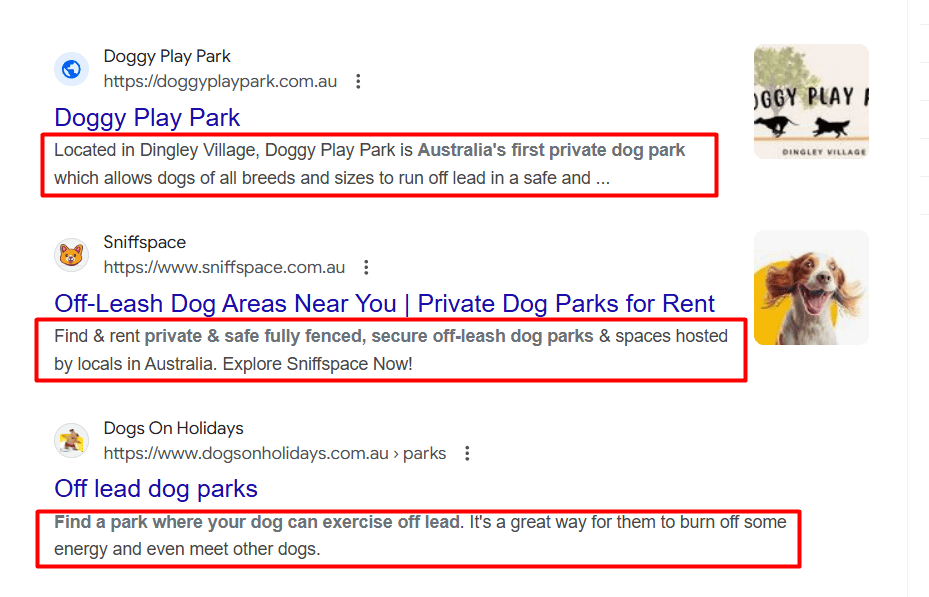
Meta descriptions are brief summaries of a webpage’s content that appear below the page title in search results. While meta descriptions aren’t a direct ranking factor, they are crucial for maximising your click-through rates (CTR). A compelling meta description encourages users to click on your link, making it an essential element for driving traffic. Here’s how they show up in the search results:
Best Practices for Writing Meta Descriptions
A well-written meta description acts as a mini-advertisement for your page. Here’s how to craft optimised descriptions:
1. Write for Users First
While including keywords is important, your primary goal should be to craft a description that genuinely interests users. Instead of focusing solely on SEO, create a description that directly addresses users’ needs or curiosity.
Example:
SEO-Focused: “Discover our financial services for better investment strategies.”
User-Focused: “Looking to grow your wealth? Discover strategies to make your money work for you.”
Tip: Ask yourself, “What’s in it for the user?” and make that the focus of your meta description.
2. Keep It Under 160 Characters
Meta descriptions longer than 160 characters will be truncated (or potentially even replaced/rewritten by Google) in search results, cutting off valuable information. Aim for a concise summary that fits within 155-160 characters.
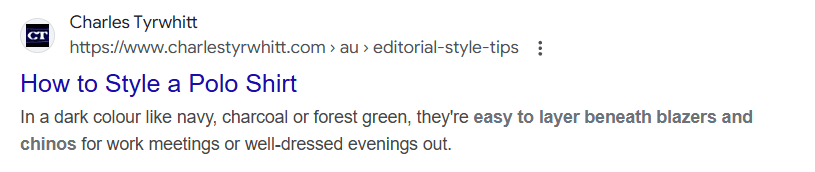
Example: See how this page’s meta description gets cut off because it is too long:

And compare it to this one which follows the prescribed number of characters:
3. Use Action Words and CTAs
Including action-oriented words in your meta descriptions, like “Explore,” “Discover,” or “Shop Now,” can drive more clicks by motivating users to engage. A well-placed CTA creates urgency and guides users on the next step, improving click-through rates (CTR).
Examples of Effective Action Words and CTAs for Meta Descriptions:
- Educational: “Learn More,” “Discover Tips,” “Find Out”
- Encouraging Exploration: “Explore Now,” “See Our Guide”
- Building Urgency: “Act Now,” “Limited Time Offer”
- Purchase-Driven: “Shop Now,” “Buy Today,” “Order Now”
Tip: Make sure the CTA matches the page content to set the right expectations.
4. Include Your Primary Keywords
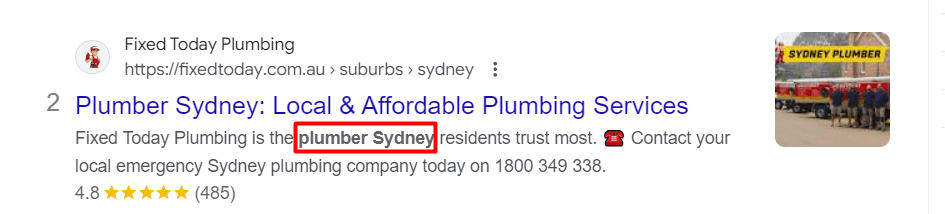
Although meta descriptions don’t directly affect rankings, using primary keywords helps ensure they appear bolded in search results. This can make your description stand out. Here’s an example:
Tip: Avoid overloading the description with keywords; one or two should suffice. If you’ve used your keyword variations elsewhere on your page, Google will sometimes show that paragraph as your meta description instead.
Suggested Reading: A Guide to Strategic Keyword Placement: Where to Put Your Keywords for Optimal SEO Results
5. Accurately Reflect the Page Content
Ensure that your meta description matches the actual content on the page. Misleading descriptions can result in higher bounce rates, which hurts SEO.
Example: If your page doesn’t offer a free SEO audit, don’t include “Get a free SEO audit today!” in your description.
Tip: Be clear about the value the user will get from the page to set appropriate expectations.
6. Highlight Benefits or Solutions
Tell users what they’ll gain by clicking on your page. Focus on how your page solves a problem or offers a benefit. For example, instead of “Our SEO guide provides best practices,” say “Boost your rankings with our proven SEO strategies.”
Tip: Focus on the user’s pain point and how your content offers a solution.
7. Utilise Secondary Keywords
Including related keywords or synonyms can help capture more search traffic without overstuffing your description. For example, you could use both “meta descriptions” and “SEO tags” in the same meta description to cover related terms.
Example: “Learn how to write meta descriptions and optimise on-page SEO with these tips.”
Tip: Use tools like LSI Graph to find related keywords that users may be searching for.
8. Avoid Repeating the Page Title
Your meta description should complement your title, not repeat it. If your title is “SEO Guide: How to Improve Rankings,” your description should expand on that, providing more context, like “Get step-by-step tips to boost your SEO rankings and drive more traffic.”
Tip: Use the description to elaborate on the promise made in your title.
9. Appeal to User Emotions
Using emotionally resonant language, like curiosity, excitement, or urgency, can make your meta descriptions and titles more compelling, increasing the chances of a click-through. For example, triggering a sense of urgency or curiosity can motivate users to engage.
Example:
Emotionally Neutral: “Our skincare products help improve your skin”
Emotionally Engaging: “Ready for Radiant Skin? Discover the Secret to a Youthful Glow Today!”
Tip: Use words like “boost,” “discover,” or “dominate” to create excitement and urgency.
10. Test and Optimise Over Time
Regularly test and update your meta descriptions to see what performs best. Tools like Google Search Console allow you to monitor CTRs and see which descriptions are driving the most clicks.
Tip: Run A/B tests to compare different descriptions and optimise for better performance.
Expand Your SEO Impact Beyond Titles and Descriptions
Crafting optimised page titles and meta descriptions is crucial, but it’s only the beginning. Local SEO can further improve visibility within your community, while a well-designed website enhances user experience and keeps visitors engaged. Our Local SEO services help boost your rankings in regional searches, and our Web Design services make your site intuitive and visually compelling.
Common Mistakes to Avoid When Crafting Page Titles and Meta Descriptions
Even with the best intentions, it’s easy to make mistakes that could hurt your SEO efforts. Here are some of the most common pitfalls to avoid when optimising page titles and meta descriptions:
Over-Optimising with Keyword Stuffing
One of the most common mistakes is cramming too many keywords into your page titles and meta descriptions. While including relevant keywords is essential, overusing them can make your content appear spammy and reduce readability. Search engines penalise keyword stuffing, so it’s best to prioritise clarity and user experience.
Example:
Keyword Stuffed: “Luxury Hotel, Luxury Resort, Best Luxury Hotel Deals”
Optimised: “Top Luxury Hotel Deals for Your Next Getaway”
Tip: Focus on one or two primary keywords that fit naturally within the title or description. Need help crafting well-optimised, natural-sounding content? Check out our content writing services.
Ignoring User Intent
Failing to match the title and meta description with user intent can lead to high bounce rates and low engagement. Your title and description should align with what users expect to find, whether they’re searching for information, looking to buy, or seeking assistance.
Example:
Mismatch: A title like “DIY Plumbing Tips” for a page offering professional plumbing services
Optimised: “Hire Professional Plumbers for Fast, Reliable Service”
Tip: Align your content with the specific user intent behind common search queries.
Using Inaccurate or Misleading Descriptions
If your meta description promises something the page doesn’t actually deliver, users are more likely to leave quickly, signalling to search engines that your content may not be relevant. This can ultimately hurt your rankings over time.
Example:
Misleading: “Get a free consultation with our legal experts” (if the page only provides general legal information, not a consultation).
Optimised: “Explore expert insights and resources for your legal questions.”
Tip: Be transparent about what your content offers and avoid exaggerations.
Not Including a Call-to-Action
While it’s crucial to describe the content accurately, you should also include a call-to-action (CTA) that encourages users to take the next step. A CTA such as “Learn more,” “Get started,” or “Shop now” can improve your click-through rate (CTR).
Example:
Without CTA: “Boost your website rankings with our expert SEO tips”
With CTA: “Boost your website rankings with our expert SEO tips. Learn more today!”
Tip: Always give users a reason to click, by highlighting the next action they should take.
Suggested Reading: How to Create High-Converting CTAs + How to Use Them Effectively to Drive Conversions
Neglecting Mobile Optimisation
With a growing number of users searching on mobile, it’s essential to ensure page titles and meta descriptions are mobile-friendly. Long titles or descriptions may get cut off on smaller screens, so keep them concise.
Example:
Too Long for Mobile: “Discover the Complete Guide to Planning a Wedding with Tips, Trends, and Checklists for 2024”
Optimised for Mobile: “Wedding Planning Guide: Top Tips & Trends for 2024”
Tip: Test your page titles and descriptions on both desktop and mobile devices to ensure they display correctly.
Using Special Characters and Emojis
While special characters or emojis might seem like a fun way to grab attention, they can appear unprofessional or may not render correctly across all devices. This can disrupt readability and damage the credibility of your brand.
Example:
Poor Use of Characters: “Explore Our Latest Deals on Office Supplies! ✏️📂🔥”
Optimised: “Explore the Best Deals on Office Supplies”
Tip: Stick to clear, readable text without relying on special characters to make your title stand out.
Ignoring the Importance of Freshness
Meta descriptions and page titles should evolve over time. As your business grows and search trends change, regularly updating your titles and descriptions can help maintain relevance and improve performance.
Tip: Review your page titles and meta descriptions every few months to ensure they reflect current content, keywords, and user needs.
Optimising page titles and meta descriptions is a foundational element of SEO that directly influences both search engine rankings and click-through rates. By following best practices such as keeping titles concise, incorporating primary keywords, creating unique content, and avoiding common mistakes you can improve your website’s visibility and engagement. Remember, these elements act as your first impression in search results, so make them count!
How Ape-X Can Help You Maximise SEO Results
At Ape-X, we specialise in providing customised SEO solutions designed to improve your site’s visibility, rankings, and overall performance. Our team of experts focuses on key strategies like optimising page titles, meta descriptions, and on-page content to ensure your site is fully optimised for search engines. We take a data-driven approach to identify the best opportunities for growth, driving organic traffic that converts.
Explore how our SEO services can help your business climb the ranks and reach your digital marketing goals.
Keep Reading: Top SEO Ranking Factors: How to Rank #1